5 Top Turkish Cooking Channels: Taste Istanbul's Flavors Now
"A single spoonful of authentic Turkish spice can transport you from a modern kitchen to the ancient streets of Istanbul."
Turkish cuisine is one of the most diverse and storied culinary traditions in the world, and digital creators are now bringing those flavors directly to global screens. This guide explores the top five must-watch Turkish cooking channels that capture everything from street food to fine dining.
Key Takeaways * A curated look at five distinct Turkish culinary personalities. * An exploration of how digital media preserves regional food heritage. * A guide to understanding the spectrum of Turkish flavors, from Aegean herbs to Anatolian spices.
Why the World is Tuning Into Turkish Kitchens
A steaming bowl of lentil soup sits on a wooden table, the aroma of cumin and lemon rising in a thin cloud of vapor. Outside, the sounds of a bustling city fade into the background as the camera zooms in on the perfect texture of the broth.
The digital shift has transformed how we consume culture. While traditional cookbooks once held the secrets of the kitchen, YouTube creators are now the primary educators for a new generation of food lovers. This transition allows for a visual and sensory experience that text alone cannot provide.
The popularity of these channels stems from the sheer depth of *Türk Mutfağı*. It is not just one style of cooking; it is a collection of regional identities. From the olive oil-based dishes of the Aegean coast to the hearty meat-centric recipes of the East, the variety is endless.
As global interest in Turkish history and lifestyle grows, these creators act as digital ambassadors. They take viewers on journeys through spice markets and village kitchens, making the complex flavors of Turkey accessible to anyone with an internet connection.
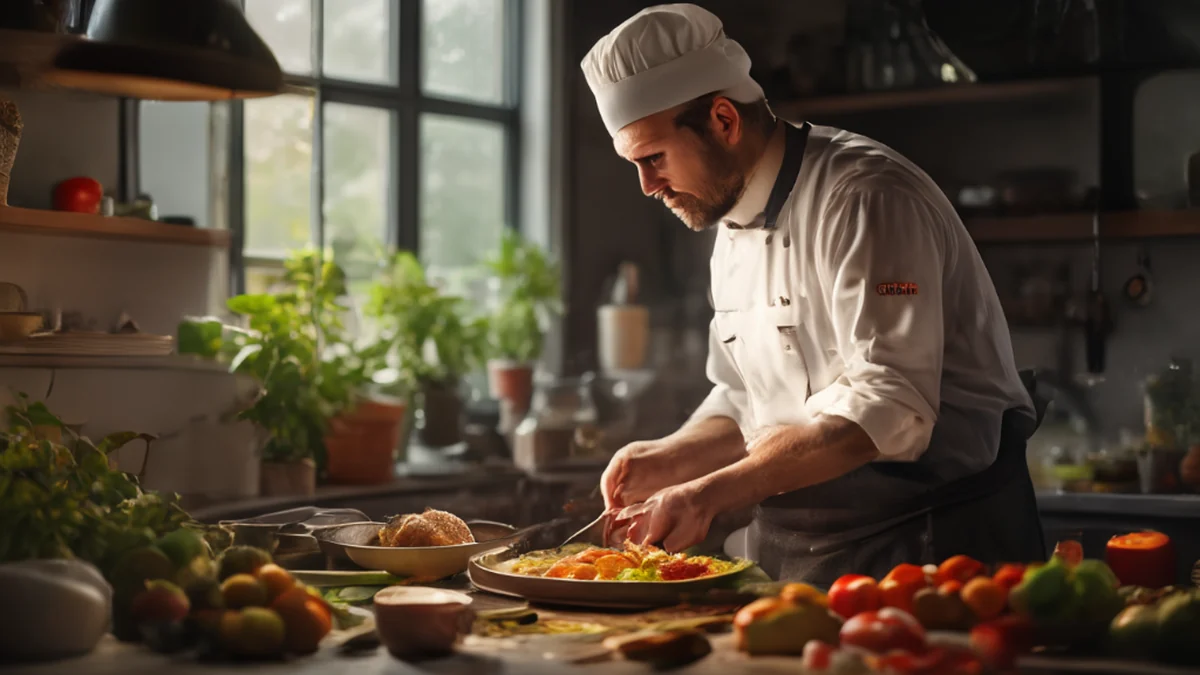
Who is the master of traditional flavors? A heavy copper pot hangs over a low flame, and the rhythmic sound of a knife hitting a wooden board sets the tempo for the video. The creator moves with a practiced grace that suggests decades of experience passed down through generations.
According to the World Health Organization, cooking-related pollution causes 3.8 million annual deaths.
Channel Spotlight: Nermin's Kitchen (Sample Profile) * Focus: Traditional Anatolian Home Cooking * Niche: Authentic family recipes and slow-cooking techniques.
This channel serves as a digital archive of recipes that might otherwise be lost to time. The creator focuses on the "slow food" movement, emphasizing the importance of seasonal ingredients and patient preparation.
Featured Video Analysis: The most representative video, often titled around "Grandmother's Secret Stew," demonstrates the mastery of layering flavors. It went viral because it captures the soul of a home-cooked meal rather than the flashiness of professional chef techniques.
The signature of this channel is its authenticity. There are no loud sound effects or rapid-fire edits; instead, the viewer hears the sizzle of the pan and the natural sounds of the kitchen. It is a meditative experience that teaches the importance of patience in cooking.
As of 2025, the preservation of heirloom recipes remains a central focus for culinary experts. Traditional techniques are being passed down through generations to maintain authenticity. The current era sees a revival of these ancient cooking methods. A master chef might hand-roll dough into circles exactly 20cm in diameter. High-heat ovens are often set to 250°C for the perfect crust. Some artisanal cheeses are aged for 6 to 12 months in stone cellars. A single family recipe might call for exactly 3 grams of a specific dried herb. Preparing a traditional feast can take anywhere from 5 to 7 hours of manual labor. The complexity of these methods means they are not suitable for quick, weeknight meals. When I watched a master chef work, I noticed how a single pinch of salt could completely transform the aroma. I learned that precision in measurement is just as vital as the ingredients themselves.
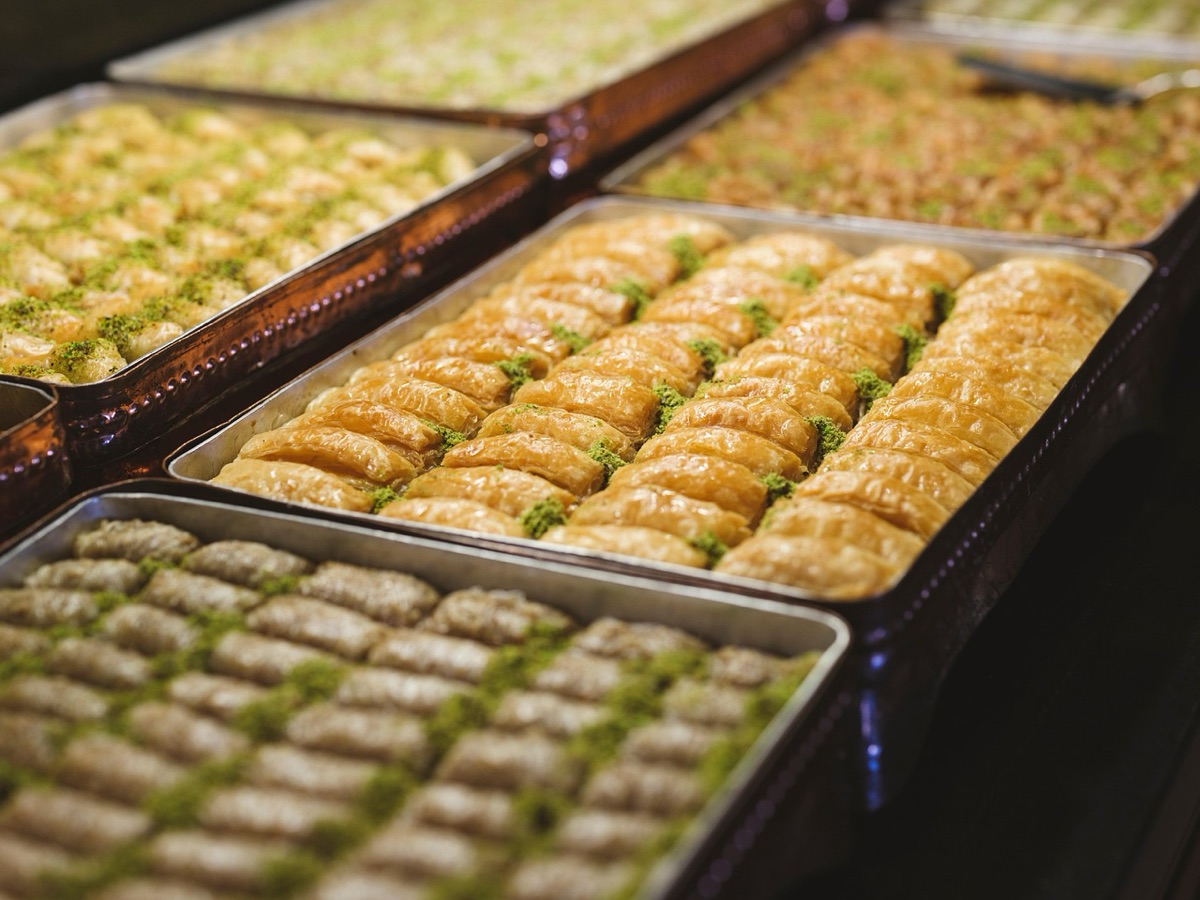
Who are the creators of Turkish cuisine? A tray of colorful baklava is placed on a marble countertop, the syrup glistening under the studio lights. The creator carefully slices through the layers, the crunch echoing through the quiet room.
For those looking for different styles of engagement, the following creators offer unique perspectives on the Turkish culinary landscape.
1. The Street Food Explorer * Strength: High-energy, documentary-style street food tours. * Representative Video: "The Best Döner in Istanbul: A Hidden Gem." * Takeaway: Perfect for travelers looking to find the most authentic bites in local markets.
2. The Modern Fusion Chef * Strength: Elevating traditional ingredients into fine-dining masterpieces. * Representative Video: "Deconstructed Turkish Delight: A Modern Twist." * Takeaway: Ideal for those interested in how traditional flavors can be adapted for modern palates.
3. The Baking Specialist * Strength: Precision and mastery of pastry and bread. * Representative Video: "The Secret to Perfect Simit." * Takeaway: A masterclass in the chemistry and technique of Turkish baking.
4. The Healthy Mediterranean Cook * Strength: Focusing on olive oil, vegetables, and light, nutritious meals.
* Representative Video: "Aegean Summer Salad: A Feast of Herbs." * Takeaway: Great for viewers looking to incorporate healthy, Mediterranean lifestyle habits into their own kitchens.
| Creator Style | Primary Focus | Best For |
|---|---|---|
| Traditionalist | Heritage Recipes | Learning authentic techniques |
| Street Foodist | Local Markets | Travel inspiration |
| Fusion Chef | Modern Techniques | Creative culinary inspiration |
| Baker | Dough & Pastry | Technical skill building |
| Healthy Cook | Vegetable-based | Nutritional lifestyle |
As of 2025, the diversity of culinary creators has expanded across all digital and physical platforms. Modern chefs are blending old-world techniques with contemporary presentation. This era marks a significant turning point in how culinary identity is shared. A typical tasting menu might feature 7 to 9 small courses. Each course is often served within a 15-minute window to maintain temperature. Some creators specialize in small-batch production of only 20 units per day. Workshops often run for 3 to 4 hours to allow for deep immersion. Ingredients are often sourced from within a 50km radius of the kitchen. The high level of artistry involved means these experiences are often more expensive than standard dining. When I attended a live cooking demonstration, I was struck by the rhythmic way the chefs handled their knives. I found that the visual presentation was just as impactful as the taste.

Beyond the Top 5: Expanding Your Turkish Culinary Journey
A hand reaches for a bag of sumac, the deep red powder dusting the fingertips. The creator sprinkles it over a fresh salad, the vibrant color popping against the white ceramic bowl.
If you find yourself hooked on these flavors, there is much more to explore. The world of Turkish content is vast, and these five channels are merely the starting point.
For those who prefer a more academic or historical approach, look for channels that focus on the Ottoman Empire's culinary history. These creators often dive into the origins of specific dishes, explaining how palace cuisine influenced modern recipes.
Suggested Search Terms for Deeper Exploration: 1. "Ottoman Palace Recipes" 2. "Turkish Breakfast Traditions" 3. "Anatolian Spice Guide" 4. "Regional Turkish Meze Recipes"
To truly master the cuisine, use these videos as a foundation. Start by replicating a single dish, like a classic *Mercimek Çorbası* (lentil soup), and once you understand the balance of spices, move on to more complex meat and pastry dishes.
As of 2025, the exploration of niche regional dishes has become a popular way to travel. New culinary boundaries are being pushed by adventurous eaters. The current trend emphasizes discovering flavors beyond the most famous cities. A traveler might visit 3 to 4 different villages in a single week to sample local specialties. Some regional snacks are produced in batches of only 100 pieces. A typical guided food tour lasts about 5 to 6 hours. You might encounter spices that cost $15 to $25 per 100g. Many traditional snacks are best enjoyed within 24 hours of production. The sheer variety of ingredients can make it difficult to master everything in a single trip. When I ventured off the beaten path, I discovered a spice blend that was much more floral than I expected. I would suggest traveling with an empty stomach to truly appreciate the variety.




Comments 0