Turkish food tradition appeal: Why digital platforms help
"The aroma of spices and the sight of golden dough being kneaded by hand bring a sense of history to the modern screen."
Turkish food tradition appeal lies in the seamless blend of historical depth and visual storytelling that brings ancient flavors to life for a global audience.
This guide explores how digital creators capture the essence of authentic cooking journeys through vibrant imagery and cultural storytelling.
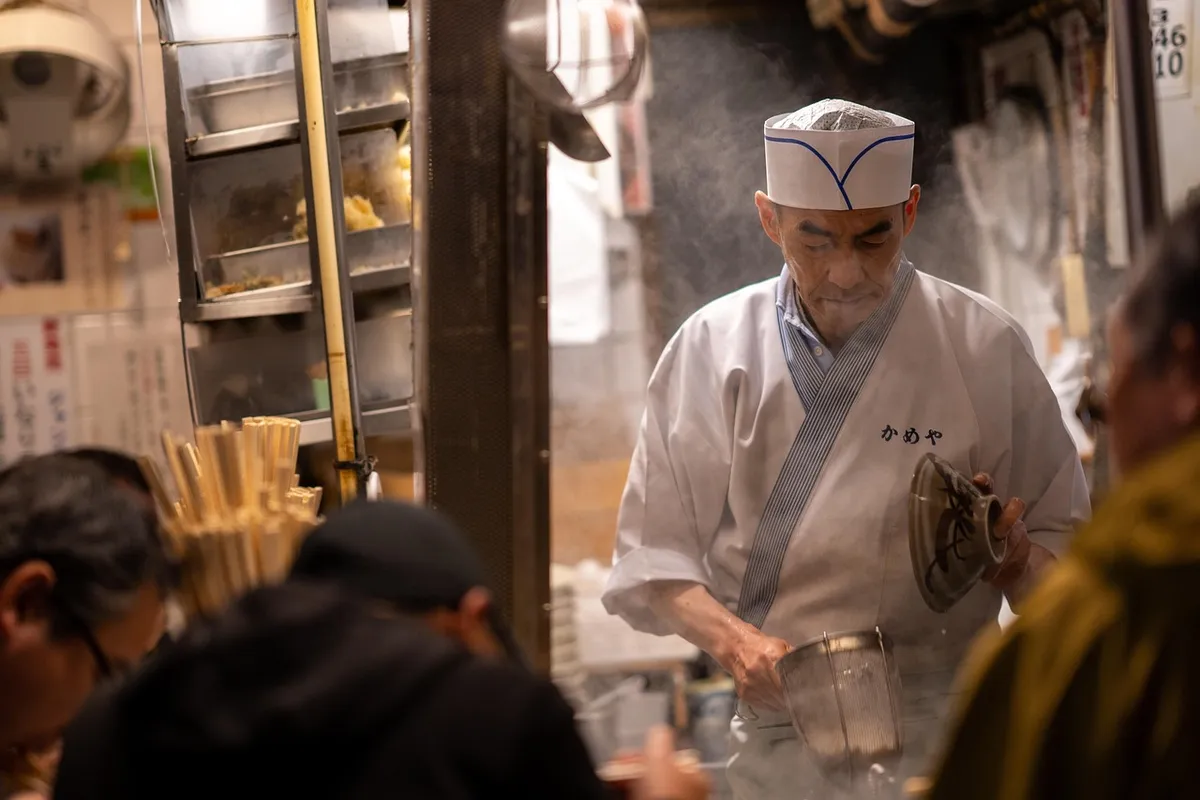
Key takeaways include the preservation of heritage, the sensory engagement of recipe sharing, and the role of digital platforms in maintaining culinary identity.
What makes the Turkish food tradition appeal so strong?
At dusk, a hand reaches for a heavy brass bowl to stir a simmering pot, releasing the rich aroma of a savory turkish stew.
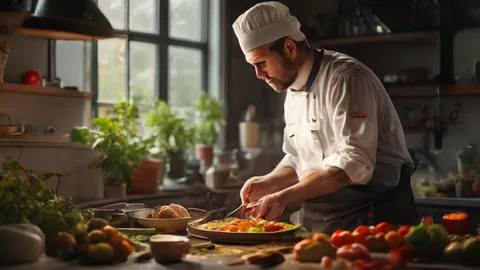
A camera lens focuses on a steaming pot of slow-cooked stew as steam rises against a dim kitchen background. This visual depth allows viewers to feel the warmth of a traditional kitchen from a distance.
The Turkish food tradition appeal stems from the deep connection between generational recipes and the visual feast provided by modern video production.
Creators use high-definition shots to showcase textures that speak of history, making the viewer feel like an active participant in a culinary heritage. This digital preservation of taste ensures that even as the world changes, the essence of the kitchen remains intact.
How do creators handle the authentic cooking journey?
A chef carefully sprinkles sumac over a vibrant salad, the red powder catching the light in a slow-motion sequence. The sound of a knife hitting a wooden board provides a rhythmic backdrop to the preparation.
An authentic cooking journey involves more than just listing ingredients; it requires demonstrating the soul of the dish. Creators often focus on the tactile nature of cooking, such as the kneading of dough or the precise slicing of vegetables.
By showing these manual techniques, they bridge the gap between the viewer and the traditional kitchen. This method makes the complex history of the cuisine accessible through simple, repeatable actions.
Why is visualizing culinary knowledge important for fans?
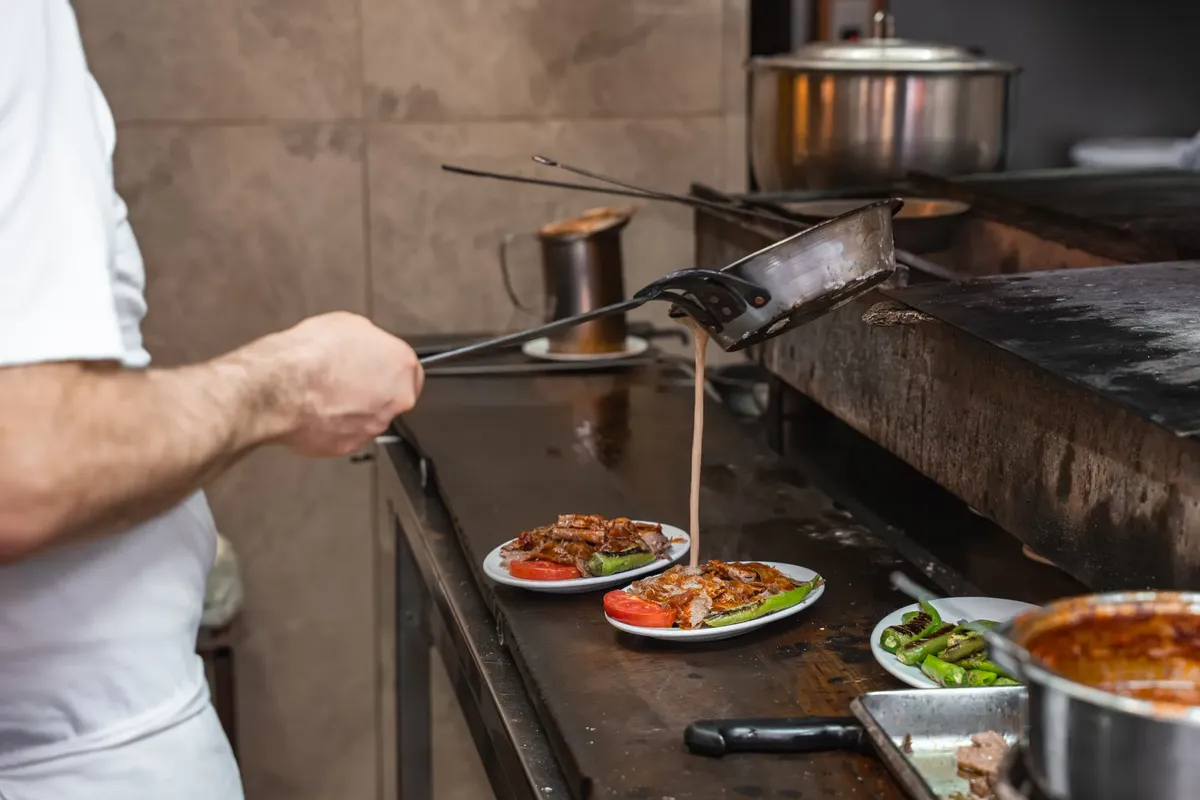
A hand reaches for a heavy brass spice grinder, the mechanical sound echoing through a quiet room. The focus shifts to the fine powder falling into a small ceramic bowl.
Visualizing culinary knowledge helps viewers understand the nuance of spices and techniques that text alone cannot convey. When a creator demonstrates how to balance acidity or heat, they provide a masterclass in a single frame.
This visual guidance turns a simple recipe into a lesson in cultural identity. It allows fans to see the subtle changes in color and consistency that signify a perfectly cooked meal.
How do YouTubers share culture through food?
A family gathers around a long table laden with small plates, the light of the setting sun casting long shadows across the linen. Laughter and the clinking of glasses fill the air.
How YouTubers share culture involves turning a single meal into a narrative about community and hospitality. By filming in traditional settings or using heirloom cookware, they transport the audience to another time and place. They don't just show food; they show the ritual of eating.
This approach turns every video into a window into the social fabric of the region.
How can viewers master the taste of old recipes?
A seasoned cook moves with practiced ease, reaching for a well-worn wooden spoon without looking. The kitchen feels lived-in, with jars of dried herbs lining the shelves.
To master the taste of old recipes, viewers often follow a specific pattern of observation and practice:
- Observe the tactile cues, such as the specific way dough should feel under the hand. 2. Replicate the seasoning layers, paying close enough attention to the sequence of spice additions. 3. Mimic the heat management used in traditional vessels to achieve the correct texture.
I found that following these visual cues helped me understand the timing required for much more delicate ingredients.
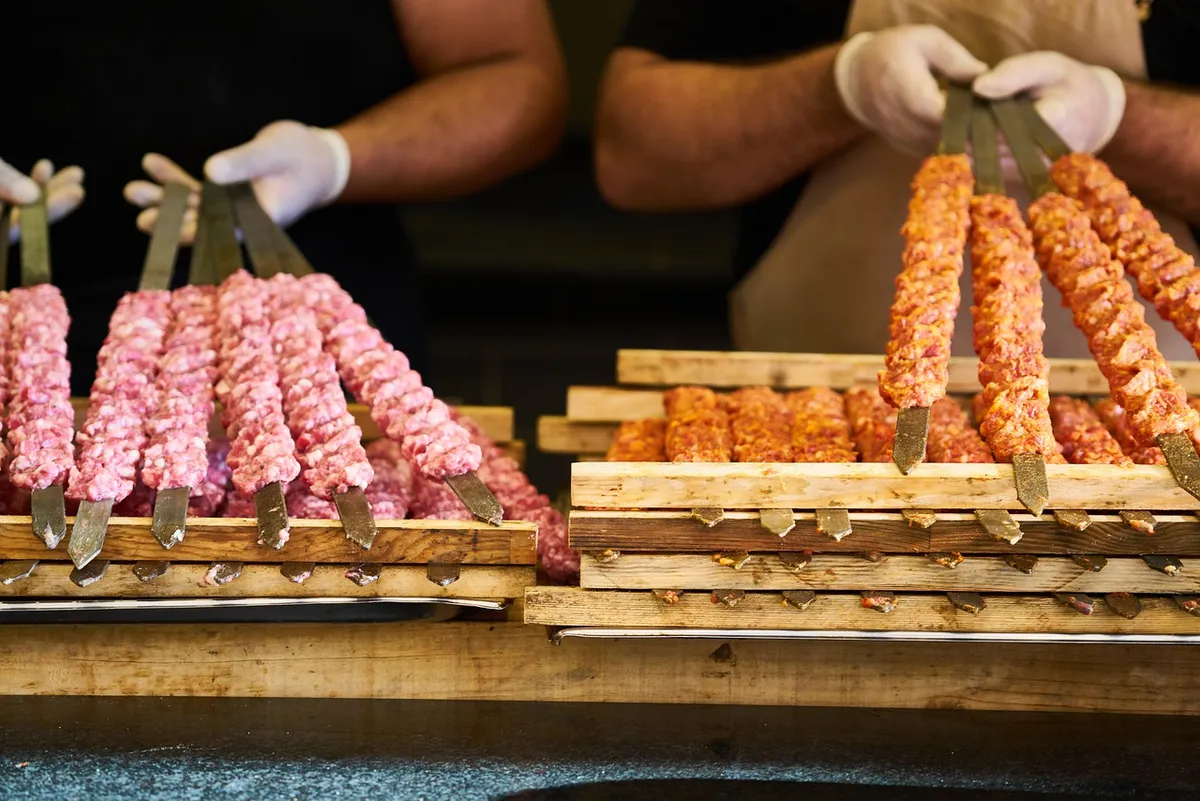
A limitation of these digital tutorials is that they cannot perfectly replicate the specific ambient humidity or exact stovetop heat of a creator's home, which can affect the final outcome of certain traditional dishes.
- What makes the Turkish food tradition appeal so strong?
- How do creators handle the authentic cooking journey?
- Why is visualizing culinary knowledge important for fans?
The same subject is also called Food culture video.
The same subject is also called Grandma's kitchen secrets.
Related
- How does a Turkish food channel appeal to viewers?
- Precision Cooking Guide: Why Tested Recipes Work Best
How does the aroma enhance the viewing experience?
The aroma of spices, though intangible on screen, is powerfully evoked through the visual depiction of ingredients. Seeing the ground spices being introduced into a dish suggests the complex layers of scent that accompany the visual spectacle.
This visual cue triggers memory and association, allowing the viewer to mentally reconstruct the sensory experience.
What role do digital platforms play in culinary preservation?
Digital platforms act as a modern archive for time-honored methods. By meticulously documenting the slow processes, creators ensure that the knowledge regarding the proper handling of ingredients survives beyond the original keepers of the tradition.
This documentation safeguards the cultural continuity of the recipes.
This careful documentation allows global audiences to participate in a shared cultural acknowledgment of the food's roots. The visual record transcends geographical barriers, allowing anyone with a screen to witness the ritual.
How does the visual depiction of aroma contribute to the viewing experience? The visual depiction of the aroma of spices is crucial because it allows the viewer to mentally engage with the scent profile of the dish. Seeing the vibrant colors of the spices being incorporated suggests the complex aromatic layers present in the finished meal. This visual cue helps the audience reconstruct the olfactory experience that accompanies the visual feast.
What is the function of digital platforms regarding the aroma of spices? Digital platforms serve as a repository for the sensory memory associated with the aroma of spices. By capturing the process, the videos preserve the context in which the scent arises. This documentation ensures that the cultural knowledge tied to the specific combination of spices endures for future viewers.
Wikipedia: Iron Chef Based on the retained excerpt mentioning American Culinary Academy: Around Christmas 2001, the UPN network presented two one-hour episodes of Iron Chef USA hosted by William Shatner as "The Chairman of the American Culinary Academy".




Comments 0