Mukbang guide: 15% health risks in food travel
"The digital table has become a replacement for the physical one, as screens flicker with meals meant to fill a void left by isolation."
The rise of food travel vlog success is driven by a unique intersection of visual stimulation and social connection. This content allows viewers to experience diverse cultures through eating, though it also presents significant public health and psychological challenges.
Key takeaways include the massive scale of video production, the connection between isolation and viewing habits, and the health risks associated with frequent consumption of this content.
How does a food journey vlog capture global attention?

A camera lens focuses on a steaming plate of noodles as a creator prepares to eat. This visual engagement serves as a primary driver for a food journey vlog, turning a simple meal into a shared event.
According to a study conducted by Seoul National University, the term "mukbang" was used in over 100,000 videos from YouTube within a two-year time frame from April 2017 to April 2019.
The scale of this trend is immense, as seen in historical data. According to a study conducted by Seoul Nationally University, within a two-year time frame from April 2017 to April 2019, the term "mukbang" was used in over 100,000 videos from YouTube.
This massive volume of content demonstrates how much interest exists in watching others eat. Such high production numbers suggest that the appetite for these videos is a global phenomenon.
These videos combine visual storytelling with the universal appeal of diverse flavors, allowing viewers to experience distant cultures from their own screens.
Why do people watch an eating abroad video?
In the quiet of my dark bedroom, I watch a vibrant mukbang from a distant market and feel the warmth of the steam through the glass.
A traveler walks through a crowded market, the sounds of the city blending with the sizzle of street food. This atmosphere creates an immersive experience for a viewer seeking a connection to a different place.
The popularity of these videos often stems from a sense of social loneliness. The growing popularity of these videos reflects a real social need, as shown by UK statistics where 15% of viewers report not having a shared meal with family members in over six months.
For many, an eating abroad video provides a sense of companionship that is missing in their daily lives. This vicarious dining experience helps bridge the gap for those living alone.

Viewers often seek vicarious exploration, using these videos to satisfy curiosity about foreign cuisines and lifestyle without the need for travel.
What are the risks of a mukbang tour video?
A creator sits before a mountain of food, the bright lights highlighting the sheer quantity of the meal. While visually engaging, this setup can lead to dangerous health consequences for both the creator and the viewer.
Health authorities have begun to take notice of the physical dangers involved. In 2024, the Philippine Department of Health considered banning mukbang videos in the Philippines following the death of a content creator in Iligan City after a stroke.
Such incidents highlight the physical toll of extreme eating. These health concerns prompt governments to weigh the benefits of entertainment against the risks of physical harm.
Excessive consumption shown on screen can promote unhealthy eating patterns and unrealistic expectations regarding portion sizes.
How does frequent watching affect mental health?
A viewer sits in a dark room, the blue light from the smartphone illuminating a quiet house. The repetitive cycle of watching high-calorie meals can influence the viewer's emotional state.
The psychological impact of this content is a growing concern for researchers. More specifically, moderate or frequent mukbang watching (watching 1–2 and ≥ 3 times a week) is related to moderate depression, and frequent Mukbang watching is associated with severe depression symptoms.
The relationship between screen time and mental well-being is complex. Watching these videos can become a coping mechanism that ultimately exacerbates feelings of sadness.
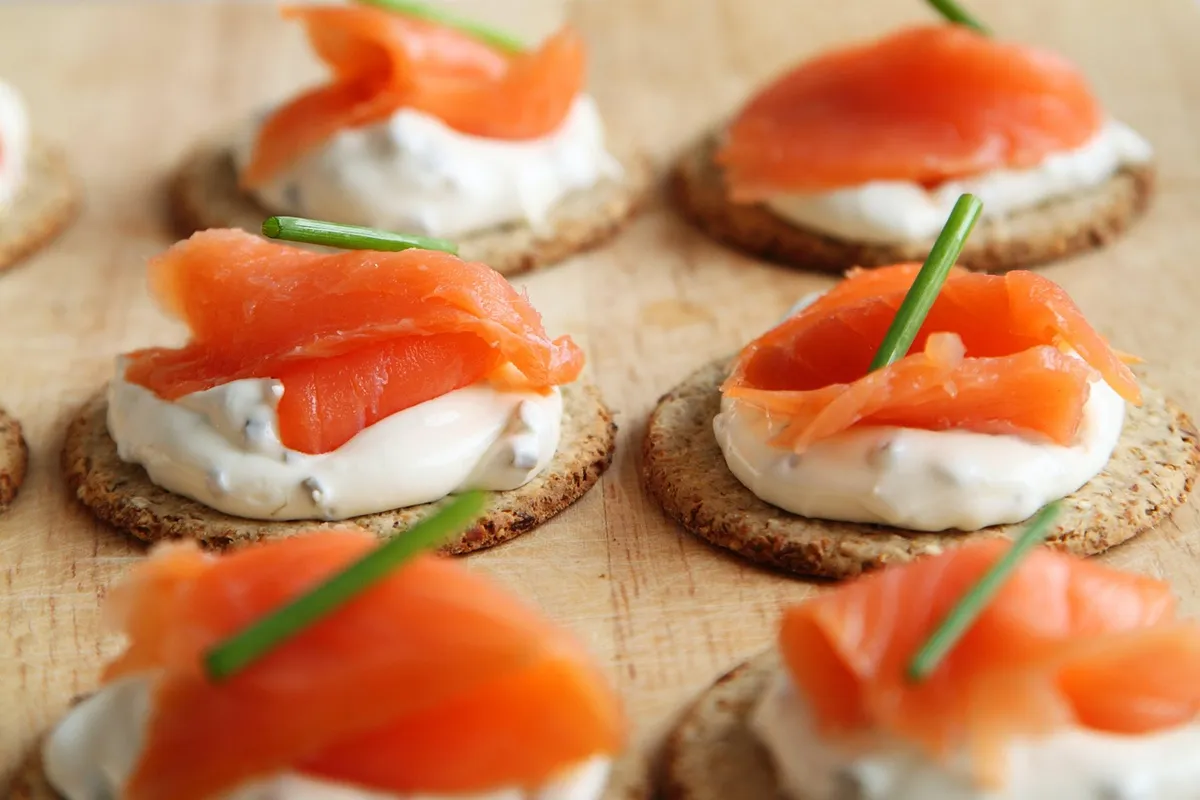
Constant exposure to idealized food content can lead to body image concerns or feelings of dissatisfaction with one's own lifestyle.
What measures address the impact of these videos?
A government official reviews a series of reports on public health trends. The goal is to find a balance between digital freedom and the protection of citizens from harmful habits.
Policy interventions often target the specific behaviors encouraged by the content. The Ministry of Health and Welfare announced the measures, which were intended to address binge eating and harm to the public health caused by mukbang.
These steps aim to mitigate the negative behaviors that can be learned through mimicry. Controlling the influence of such content remains a difficult task for global regulators.
- Curate social media feeds to prioritize diverse and balanced content. 2. Set specific time limits for watching food-centric videos. 3. Practice mindful consumption by distinguishing between digital entertainment and real-life nutrition.
Can these trends be managed through healthy habits?
A person puts down their phone and prepares a simple, balanced meal at a kitchen table. Shifting focus from the screen to real-world nutrition is a necessary step for long-term wellness.
To maintain a healthy relationship with food media, consider these steps:
- Set strict time limits for watching food-centric content to prevent excessive consumption. 2. Focus on preparing real meals with family or friends to combat social isolation. 3. Monitor emotional shifts to ensure that viewing habits are not contributing to depressive symptoms.
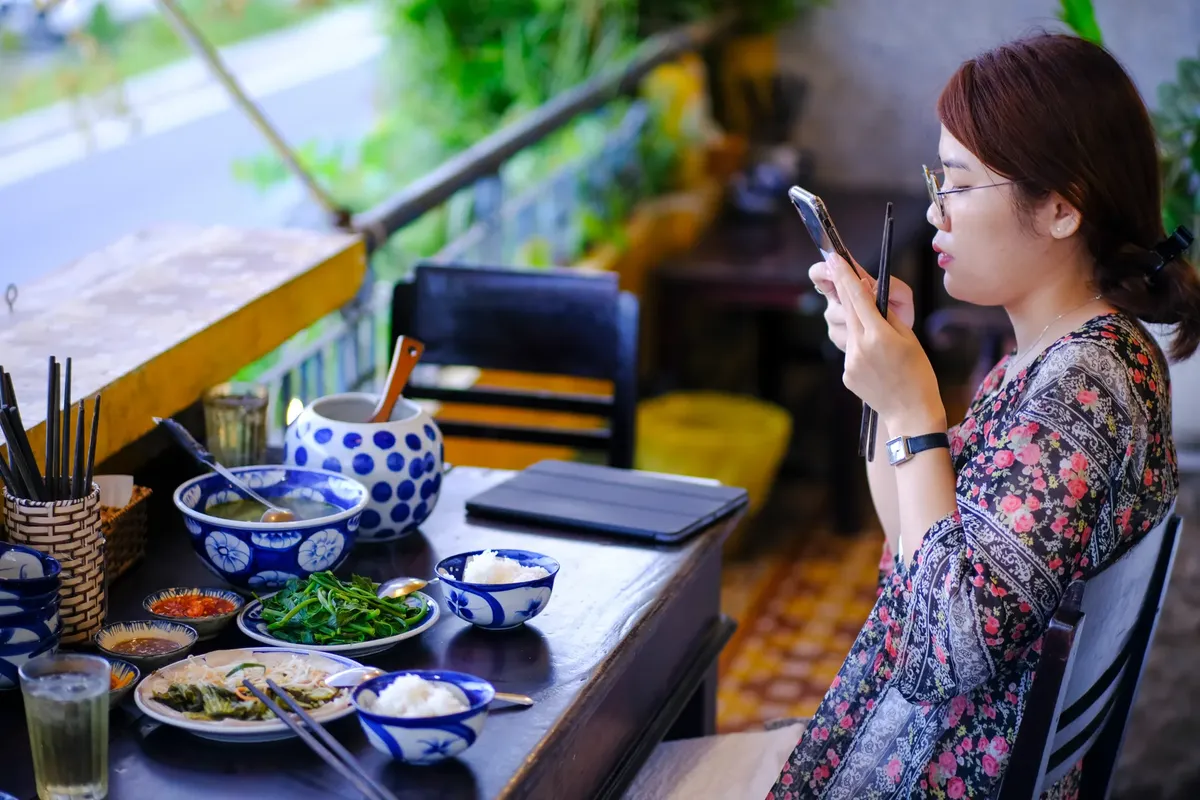
I found that setting a timer during my own viewing sessions helped me avoid the heavy feeling of being disconnected from reality. It is important to recognize when the digital experience begins to overshadow physical health.
| Condition | Associated Mental Health Risk |
|---|---|
| Moderate or frequent watching (1–2 times a week) | Moderate depression |
| Frequent watching (≥ 3 times a week) | Severe depression symptoms |
A limitation of this analysis is that the psychological effects vary significantly depending on the individual's existing mental health status.
Maintaining a balanced diet and focusing on mindful eating in person helps ground viewers in reality, mitigating the influence of exaggerated digital trends.
- How does a food journey vlog capture global attention?
- Why do people watch an eating abroad video?
- What are the risks of a mukbang tour video?
Related
How does the digital table compare to the physical one?
The digital table serves as a modern substitute for the physical dining surface, much like the screens display meals intended to address a feeling of being alone. This digital table facilitates the viewing experience that mirrors the reality of a person eating in isolation.
While the physical table anchors a shared meal, the digital table carries the weight of global viewership, making the act of eating a broadcast event. The contrast between the two underscores the modern shift in how sustenance is experienced and consumed.
What is the primary difference between the two dining environments?
The physical table provides tangible presence for a shared meal, whereas the digital table offers a mediated, broadcast version of dining.
This difference relates to the context of consumption; one is immediate and localized, while the other is globally viewed and mediated through technology.








Comments 0