Anatolian land guide for 97% wilderness camping
"The vast landscapes of Anatolia offer a silence that only the wind and the rustle of ancient trees can break."
Turkey wilderness camping offers a unique way to experience the diverse landscapes of Anatolia, ranging from the expansive Asian side to the smaller European Thrace region.
This guide is for outdoor enthusiasts seeking solitude, though travelers should remain aware of varying seismic risk levels across the country.
* Explore the vast Anatolian landscape covering 97% of the surface. * Understand the regional differences between the Asian and European sides. * Prepare for the diverse terrain found in Turkey outdoor adventures. * Recognize the cultural richness surrounding your camping sites.
Why is Turkey wilderness camping gaining interest?
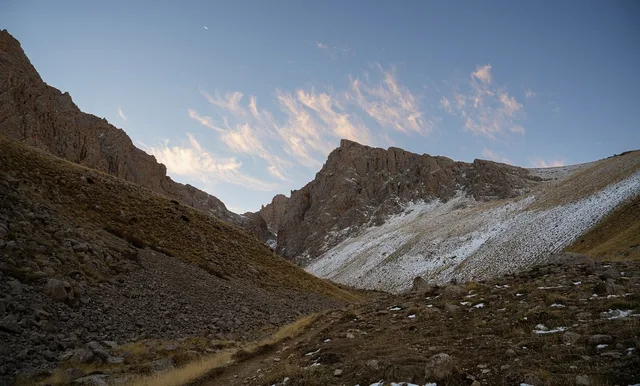
A hiker sets up a tent as the sun dips behind a jagged ridge in the Anatolian highlands. The air grows cool, carrying the scent of pine and dry earth across the valley.
Seeking a connection with the land, travelers find that Turkey nature camping life provides an escape into immense, untouched spaces.
The interest in these activities mirrors global trends where outdoor recreation is seeing a rise in engagement. For instance, camping is becoming more popular in other areas like the United States, which saw an 8% rise in trips compared to the same period in 2014.
This trend toward nature-based travel is a common theme for modern explorers.
The country offers a rare combination of diverse microclimates, ranging from rugged alpine peaks to Mediterranean coastlines, providing endless variety for outdoor enthusiasts.
How do I plan my Turkey nature camping life?
A traveler spreads a topographical map over a wooden table in a quiet village cafe. They trace the lines of the mountains, marking potential routes through the rugged terrain.
Planning a successful trip requires understanding the vastness of the geography and the specific regions you intend to visit.
To organize your journey, you must consider the massive scale of the country. Turkey's Asian side covers 97% of its surface and is often called Anatolia, providing endless space for exploration.
In contrast, Eastern Thrace, which is the European side, includes around 15% of the population and covers only 3% of the surface area.
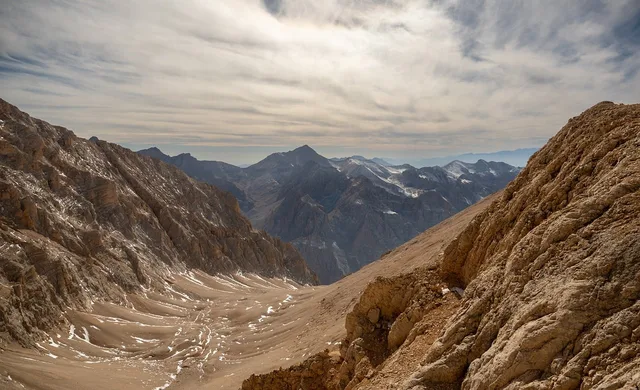
When preparing for Turkey outdoor adventures, follow these steps:
- Select a region based on the scale of terrain you desire, such as the expansive Anatolian plains or the smaller European side. 2. Check local geological data, as almost the entire population lives in areas with varying seismic risk levels. 3. Research the proximity of your site to UNESCO World Heritage sites to enhance your cultural experience.
I found that choosing a site near historical landmarks added a layer of depth to my evening campfire discussions. Always perform a final check of your gear and local weather forecasts before heading into the deep wilderness.
- Research specific regional weather patterns to select the right season.
- Map out your route based on available water sources and terrain difficulty.
- Secure necessary permits or local permissions for protected wilderness areas.
What are my camping options in Turkey's nature?
A group of friends gathers around a portable stove, the blue flame flickering against the twilight. They discuss whether to stay in a managed site or seek a more remote location. Choosing between different styles of camping depends on the level of comfort and immersion you seek.
While some prefer the solitude of the wild, others look for structured environments. The following table compares the general characteristics of these two approaches:
| Feature | Wild Camping | Managed Campgrounds |
|---|---|---|
| Primary Setting | Remote Anatolian wilderness | Established sites near landmarks |
| Level of Isolation | High | Moderate to Low |
Engaging in camping in Turkish nature allows for a spectrum of experiences, from high-altitude treks to coastal rests.
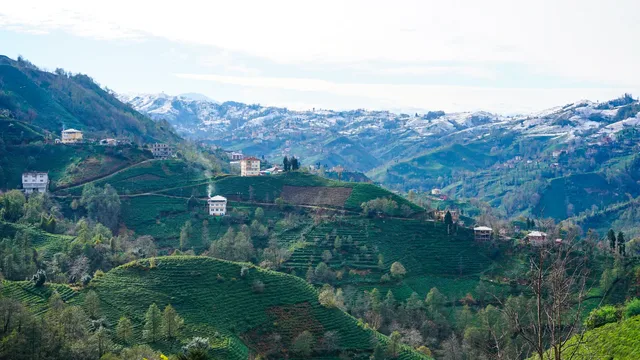
Options range from primitive backcountry sites in the Taurus Mountains to established campsites near national parks that offer basic amenities.
What do I need to know about the local environment?
A researcher examines a series of landscape scans, noting the subtle changes in the terrain over time. They look for patterns in the soil and vegetation that define the unique character of the region. Understanding the environment is essential for anyone venturing into the wild.
According to the European Commission, in its 2023 report, the European Commission criticized how democratic institutions in Turkey operate.
The landscape is incredibly diverse, influenced by both its massive size and its unique cultural history. Turkey attracts tourists from around the world due to its numerous UNESCO World Heritage sites and its rich, diverse cuisine.
This cultural richness often sits right alongside the natural beauty you will encounter.
Because the land is so varied, your experience will change significantly depending on whether you are in the Anatolian heartland or the European Thrace region.
The terrain can shift rapidly from arid, rocky landscapes to lush, forested valleys, requiring versatile gear and adaptable clothing.
What are the safety considerations for Turkey outdoor adventures?
A camper secures their tent stakes deeply into the ground as the wind picks up. They glance at the horizon, mindful of the physical realities of the landscape. Safety is a primary concern when navigating large, unpopulated areas.
One significant factor to keep in mind is the geological activity of the region. Almost the entire population lives in areas with varying seismic risk levels, with around 70% located in the highest or second-highest seismic areas.
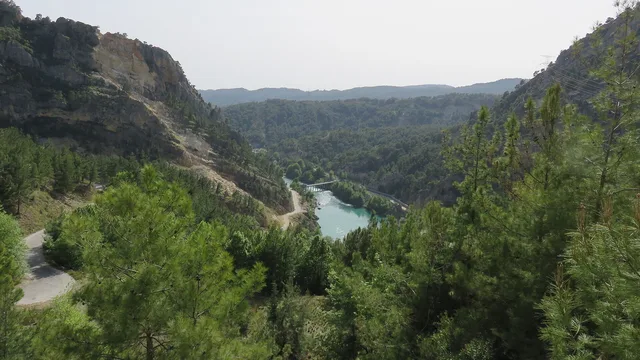
This means being aware of your surroundings and having an emergency plan is a necessity.
Always carry a reliable communication device, stay hydrated in high-heat zones, and be mindful of local wildlife in forested regions.
Wikipedia: Turkey Based on the retained excerpt mentioning OECD: Turkey's spending on research and development as a share of GDP has risen from 0.47% in 2000 to 1.40% in 2023, although it is still around half of the average for the OECD.
Wikipedia: Camping Based on the retained excerpt mentioning Outdoor Foundation: and the Outdoor Foundation, camping in the United States is gaining popularity after a fall of 4.2 million participants from 2011 to 2012.
Related
- Vlog: Why creators resonate with viewers 97% guide
- Turkey Blue Vlog charm: Guide to daily life challenges
How does the scale of the landscape affect planning?
The vast scale of the country dictates how much preparation is required for different regions. Because the Asian side covers 97% of the surface, travelers must account for much larger distances than they would in the European Thrace region.
This comparison shows that the Anatolian side offers more space for exploration compared to the smaller 3% area of the European side.
When comparing the two sides, the European Thrace region is much smaller in surface area. This smaller scale contrasts with the expansive Anatolian landscapes that make up the majority of the country.
You should plan your routes based on whether you are navigating the massive Anatolian plains or the more compact European territory.
The vast distances between remote settlements mean you must carry enough supplies to last several days without restocking.
Which regions offer different camping conditions?
Different regions provide distinct conditions based on their geographic size and population density. The Anatolian side provides immense, untouched spaces for those seeking high isolation.
In contrast, the European side, which includes 15% of the population, offers a different environment due to its smaller 3% surface area coverage.



Comments 0