Turkish healthy diet recipes: a guide to wellness
"The traditional Mediterranean lifestyle offers a blueprint for wellness through its unique approach to seasonal, whole foods."
Adopting Turkish healthy diet recipes involves incorporating regional staples, such as olive oil and fresh vegetables, into your daily routine. This guide focuses on using Mediterranean ingredients to enhance nutrition, particularly for those aiming to transition to a more plant-forward lifestyle.
Although these recipes provide significant nutritional variety, their effectiveness depends on the quality of local sourcing and avoiding processed sugars.
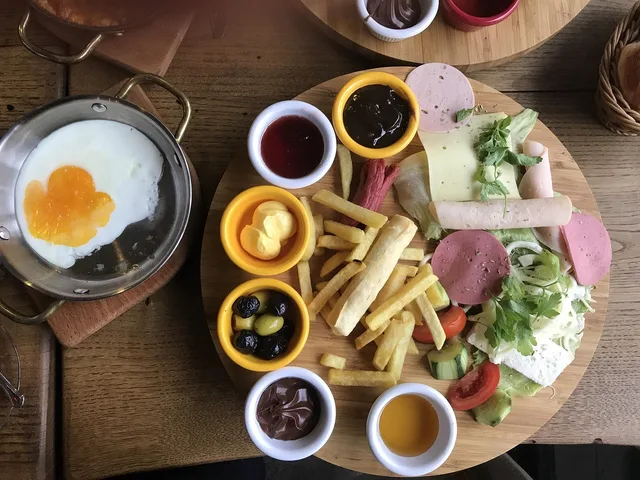
* Prioritize high-quality olive oil as a primary fat source. * Incorporate seasonal vegetables and legumes to increase fiber. * Utilize traditional Mediterranean-style eating patterns.
How can I use Turkish healthy diet recipes?
Walking through a vibrant local market, the scent of crushed herbs and ripe tomatoes fills the air as I select fresh produce for the week. To implement these Turkish healthy diet recipes, you should focus on the foundational elements of the region's culinary identity.
This means moving away from heavy fats and toward the light, nutrient-dense profiles found in local kitchens.
The American Diabetes Association writes about "Mediterranean-Style Eating," which emphasizes the traditional Mediterranean lifestyle as a way to manage wellness. You can follow a Turkish healthy food guide by replacing butter with olive oil and prioritizing vegetables.
Using these Turkish nutrition recipes allows for a diverse range of flavors without relying on processed additives.
I find that the second step is the most time-consuming.
Why is olive oil so central to this diet?
I pour a golden stream of oil over a bowl of fresh cucumbers and tomatoes, watching the light catch the liquid in the midday sun. Olive oil is the cornerstone of the Mediterranean diet, providing essential fats that define the region's flavor profile.
The Mediterranean region accounts for the world's highest consumption of olive oil.
In 2014, the highest-consuming country, Greece, used 17 kg per head; Italy, 12 kg, Spain, 13 kg; the United States for comparison used only 1 kg per head. This massive difference in consumption highlights how deeply integrated this fat is into the local culture.
You can eat healthy Turkish style by making olive oil your main cooking medium and dressing.
Which ingredients are the most abundant?
In the quiet kitchen, I reach for a heavy jar of olives and feel the smooth skin of the fruit while preparing my turkish mezze.
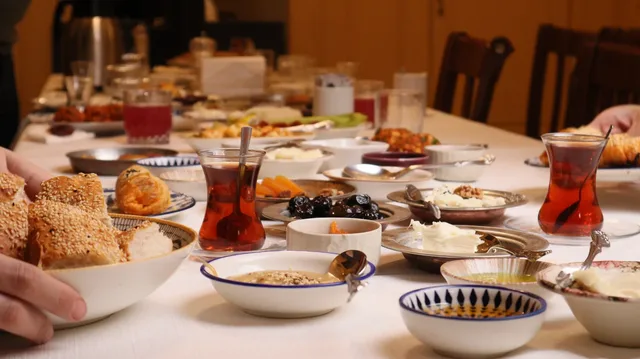
I reach for a heavy jar of olives, feeling the smooth skin of the fruit as I prepare a simple mezze plate. The availability of certain crops makes this diet naturally sustainable and easy to follow.
The ten countries with the largest harvests in 2011 are all near the Mediterranean, with Portugal being the tenth largest.
Together, these ten countries produce 95% of the world's olives. This abundance ensures that high-quality fats are readily available for those following healthy Mediterranean meal plans. By selecting these abundant ingredients, you align your nutrition with natural harvest cycles.
How do I prepare a traditional meal?
I chop parsley and mint on a wooden board, the rhythmic sound of the knife echoing in my quiet kitchen during the early evening. Preparing a meal following these principles requires a systematic approach to ingredient selection and cooking methods.
- Select seasonal vegetables and legumes as the base of your plate. 2. Use extra virgin olive oil for both sautéing and raw dressings. 3. Incorporate small amounts of protein, such as fish or yogurt, rather than heavy meats.
I check my final dish to ensure the vegetables remain vibrant and not overcooked. This method preserves the natural nutrients and textures essential to the diet.
- Sauté fresh vegetables in olive oil.
- Add seasonal herbs and spices for flavor.
- Simmer the ingredients until tender.
Can I find traditional sweets in this diet?
I watch a baker carefully layer thin sheets of dough, the sweet aroma of honey and nuts drifting through the narrow street. While the diet is primarily healthy, it does include culturally significant treats that have strict origins.
For example, the Turkish patent office registered a geographical indication for Antep Baklava in 2008.
Additionally, in 2013, Antep Baklavası or Gaziantep Baklavası was registered as a Protected Geographical Indication by the European Commission. While these are delicious, they are treats rather than daily staples. I enjoy them sparingly to maintain the nutritional integrity of my routine.
Is this diet suitable for everyone?
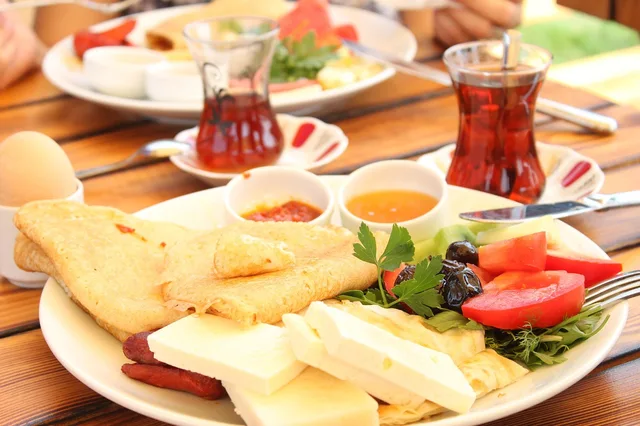
I sit at a small wooden table, sipping water and reflecting on the simplicity of the ingredients I have consumed today. A limitation of this approach is that the nutritional benefits are most pronounced when using fresh, minimally processed ingredients rather than store-bought substitutes.
| Region | Olive Oil Consumption (2014) |
|---|---|
| Greece | 17 kg per head |
| United States | 1 kg per head |
I find that the ease of this diet depends heavily on access to fresh produce.
The same subject is also called Healthy Turkish meal plans.
This part also covers Turkish diet for fitness.
This part also covers Local Turkish healthy eating.
This part also covers Turkish recipes for wellness.
Turkish diet for fitness
Related
- Turkish food tradition appeal: Why digital platforms help
- How does a Turkish food channel appeal to viewers?
How does fitness relate to this diet?
Turkish diet for fitness focuses on the nutritional variety provided by plant-forward ingredients and healthy fats. You can use these recipes to support a lifestyle that emphasizes whole foods over processed additives.
By prioritizing seasonal vegetables and legumes, you increase your fiber intake. This approach compares favorably to diets relying on heavy meats or processed sugars.
What defines local Turkish healthy eating?
Local Turkish healthy eating relies on the availability of regional staples like olive oil and fresh produce. The effectiveness of this eating pattern depends on the condition of your local sourcing.
Using high-quality olive oil as a primary fat source is a key procedure. You should also follow traditional Mediterranean-style eating patterns to ensure you are utilizing the correct nutritional profiles.








Comments 0