Animal life in 27% protected Turkish village land guide
"The beauty of the countryside lies not just in the landscape, but in the quiet companionship of the creatures that call it home."
Turkish village animal life is defined by a peaceful coexistence between local residents and the various animals that roam the rural landscape.
This experience is best suited for travelers seeking quiet moments away from urban centers, though visitors should remain aware of local wildlife boundaries.
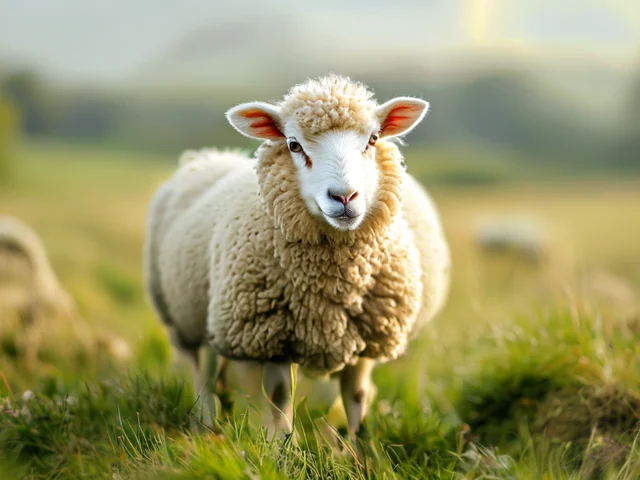
* Observe animals in protected conservation areas and national parks. * Respect the natural habitats within the 27% of Turkey that is protected. * Understand that rural sightings are often part of a larger ecosystem.
What is village animal life like in Turkey?
At dawn, you feel the coarse fur of a village animal as you kneel in the dusty field.
A dusty path winds through a golden field as a stray dog naps under a shade tree. This peaceful Turkish farm life is shaped by the vast geography of Anatolia, covering 97% of the country's surface.
In these rural settings, animals are integrated into the rhythm of daily chores and quiet afternoons.
The presence of animals is tied closely to the land. Since 27% of Turkey is protected—including conservation areas, forests, national parks, biosphere reserves, natural monuments, and historical sites—many animals live in strictly managed environments.
This protection helps maintain the balance of the countryside.
The scope of these encounters is limited to the specific habitats provided by the landscape. While many animals are seen near human settlements, their true habitats remain within the protected zones.
The connection between villagers and their livestock is deeply rooted in tradition and mutual survival.
Where can I see cute animals in Turkey? Turkish village animal life
A soft breeze carries the scent of pine as a deer moves silently through a dense thicket. Finding cute animals in Turkey often involves visiting the extensive forested regions that cover 29% of the country's surface as of 2020. These wooded areas serve as vital sanctuaries for various species.
Many travelers seek out these natural monuments to witness wildlife in their original settings. The diversity of the terrain, from the mountains to the coastal forests, allows for a wide range of sightings.
The landscape provides a backdrop where the connection between nature and local life is most visible.
The experience of seeing Turkish countryside pets or wild animals is heavily influenced by the specific region one visits. Whether in the forests or near village outskirts, the animals are part of a complex, living map.
You can find various species in the lush valleys of the Black Sea region or the rolling hills of the Aegean coast.
How does life with Turkish animals work in daily routines?
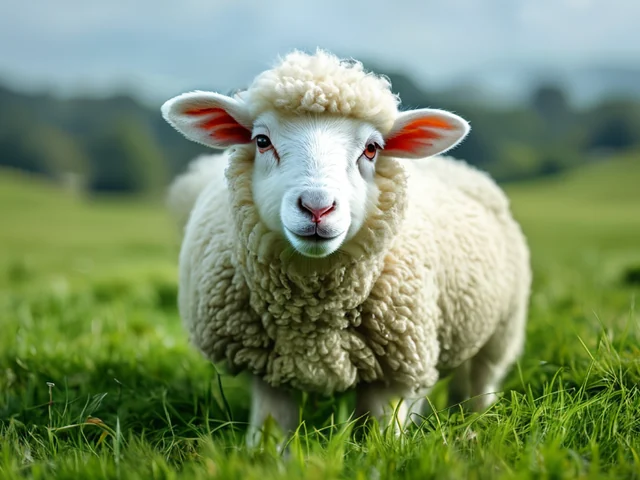
A farmer leans against a stone wall while a small goat wanders near the garden gate. Daily life in Turkey village settings involves a constant, gentle interaction with domestic and semi-wild creatures. These animals are not just scenery; they are active participants in the rural environment.
According to IMF estimates, Turkey's GDP per capita by PPP is $43,790 in 2025, while its nominal GDP per capita is $18,200.
The interaction is often subtle and non-intrusive. In many villages, animals move freely between communal spaces and private yards. This creates a sense of shared space that is rare in large cities. The presence of animals adds a layer of predictability and comfort to the local atmosphere.
I watched a village cat navigate a narrow alleyway with practiced ease, seemingly indifferent to the passing footsteps. This ease of movement characterizes the lovely animals in Turkey that have adapted to human presence.
Animals are integrated into the rhythm of the day, from early morning feedings to evening herding.
What are the steps to observing rural wildlife?
A pair of binoculars rests on a wooden bench overlooking a quiet valley. To observe the animals of rural Turkey safely and respectfully, follow these steps:
- Identify the specific zone you are entering, ensuring it is not a restricted conservation area. 2. Maintain a respectful distance to avoid disturbing the natural behavior of the creatures. 3. Keep noise levels low to prevent startling wildlife during your observation.
After completing these steps, perform a final check to ensure you have left no trace of your presence in the habitat. Following these guidelines ensures that the animals remain undisturbed in their natural homes.
- Pack essential binoculars and a camera.
- Research the specific local terrain.
- Arrange for a local guide to lead the way.
- In this sequence, the second step is the longest.
Is there a comparison of protected habitats?
A map spreads across a table, showing the different types of land usage in the region. Understanding the different environments helps in predicting where certain animals might be found.
Because 27% of Turkey is protected, many animals live in strictly managed environments.
| Habitat Type | Description |
|---|---|
| Protected Land | Includes national parks and biosphere reserves |
| Forested Land | Covers 29% of the surface area |
The variety of these areas means that animal sightings will differ significantly depending on whether you are in a managed forest or a protected national monument.
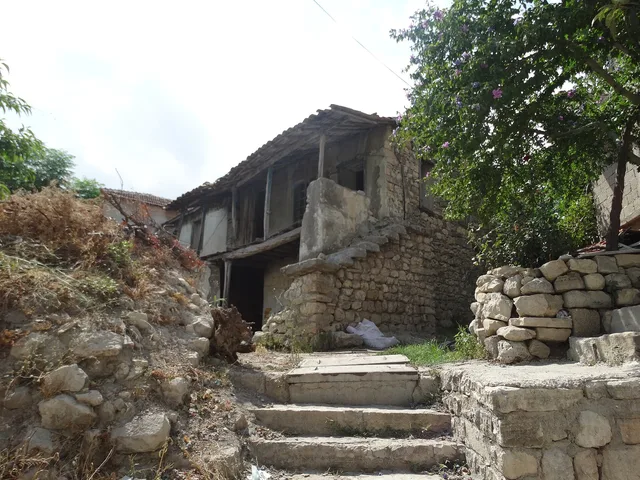
National parks offer more structured environments compared to the more open, communal grazing lands found in villages.
What are the limitations of these animal encounters?
A sudden rain shower begins to fall, sending a small fox scurrying for cover under a bush. The ability to observe certain animals is limited by the specific conditions of the terrain and the weather.
One significant limitation is that many animals reside within the 27% of the country that is designated as protected land, such as national parks and biosphere reserves. Access to these areas may be regulated, meaning not all wildlife is visible to the general public at all times.
Weather conditions and the seasonal migration of herds can significantly impact the visibility of certain animals.
Related
How can one compare different protected zones?
Comparing different protected zones requires looking at the specific classification of the land. One must distinguish between a national park and a biosphere reserve to understand the level of management involved.
While both fall under the 27% of protected land, their specific functions within the ecosystem may differ.
Comparing these areas helps travelers understand the conditions of the terrain. A visitor in a national park might encounter different wildlife than one in a historical site or a natural monument.
This comparison is essential for those planning to observe the beauty of the countryside through specific habitats.
What precautions should be taken during wildlife sightings?
Precautions involve respecting the boundaries of the 27% of Turkey that is protected. Travelers should avoid entering restricted conservation areas to ensure they do not disturb the managed environments.
Maintaining a distance is a necessary condition to prevent startling animals in their natural homes.
One must also be cautious about the weather and terrain. Since sightings are limited by specific environmental conditions, sudden changes can affect the visibility of animals. Staying aware of these limitations ensures a safer experience when observing the animals of rural Turkey.


Comments 0