Turkey wildlife tips for seeing 256,000 birds
"The thrill of a sudden movement in the brush, the rustle of feathers, and the realization that you are sharing a moment with a creature of the wild is why we explore."
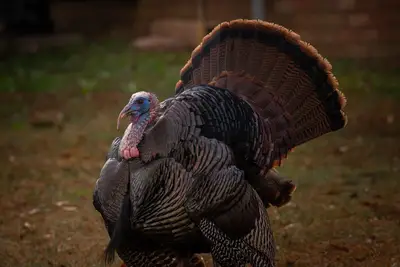
Turkey wildlife exploration involves tracking avian species and observing natural habitats through patient observation and seasonal timing. This guide is designed for nature enthusiasts seeking to witness wild turkeys in their natural settings, focusing on seasonal sightings and habitat awareness.
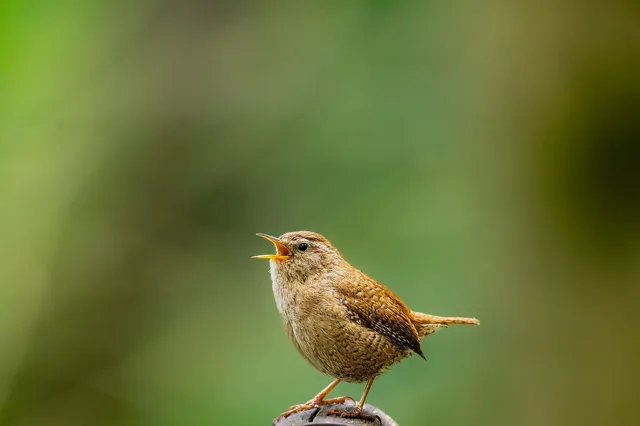
Key takeaways include monitoring summer sightings, understanding local wildlife management, and recognizing that observations depend heavily on specific regional habitats.
How to observe Turkey wildlife exploration?
A hiker pauses near a thicket, squinting against the bright morning sun as a shadow shifts beneath the oak canopy. To engage in effective Turkey wildlife exploration, you must prioritize patience and silence to avoid startling the birds.
Observers should focus on specific times of day when birds are most active, typically during the early morning or late afternoon. Monitoring seasonal patterns is essential, as certain species exhibit different behaviors depending on the time of year.
According to the Game Commission of the Commonwealth of Pennsylvania, people can report wild turkey sightings during the summer months. This reporting helps track population movements and seasonal presence in specific areas.
Where can I find a nature expedition in Turkey?
Walking along a damp riverbank, the sound of flowing water masks the soft footsteps of a traveler searching for signs of life. Finding a suitable location for a Turkey nature expedition requires studying local terrain and water sources.
Wild turkeys often frequent areas with dense cover and proximity to food sources like acorns or berries. Identifying habitats that offer both protection and nutrition is a primary step in any successful outing.
While some regions focus on aquatic restoration, such as the $256,000 paid to the Kentucky Department of Fish and Wildlife to restore fish populations, terrestrial wildlife enthusiasts must look toward forest edges and clearings.
Successful expeditions depend on finding the right balance of open space and thick brush.
What will I experience on a Turkey wildlife tour?
The air feels heavy with humidity as a group sits quietly in a clearing, waiting for a flash of color to appear. A Turkey wild animal tour is defined by the unpredictable nature of seeing animals in their undisturbed environments.
According to the Game Commission, people can report wild turkey sightings during the summer months.
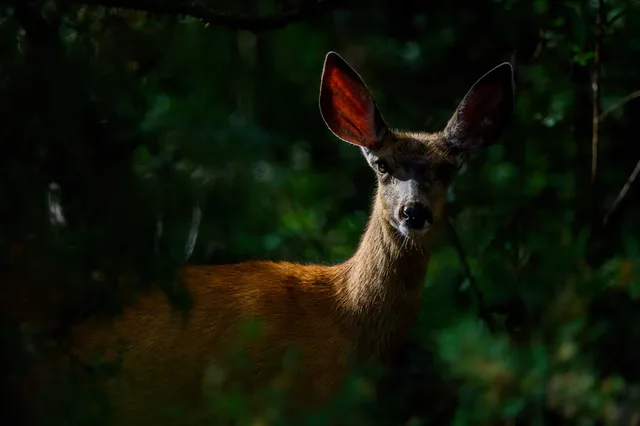
You should prepare for long periods of stillness interspersed with moments of intense visual interest. Observing these creatures requires a deep respect for their space and an understanding of their natural rhythms.
It is not uncommon to see birds foraging in groups, which can provide a dynamic view of their social structures. A Turkey wild animal tour emphasizes the beauty of these interactions within a larger ecosystem.
Tips for Turkey wildlife watching
A photographer adjusts the lens on a tripod, feeling the cool morning dew on their hands while waiting for the perfect light. Engaging in Turkey wildlife watching requires specific preparation to ensure both the observer's enjoyment and the animal's safety.
- Use camouflage or muted colors to blend into the surrounding vegetation. 2. Maintain a significant distance to prevent the birds from fleeing the area. 3. Use binoculars to observe behaviors without physical intrusion.
After setting up your position, perform a final check of your surroundings to ensure you are not blocking any natural pathways. I found that staying low to the ground helped significantly when I was attempting to watch birds near the edge of a wooded clearing.
Can you observe Turkey nature safari in any season?
The wind picks up, swirling dry leaves across a trail as a trekker prepares for a change in weather. While a Turkey nature safari can occur throughout much of the year, the ease of observation changes with the seasons.
Spring is often a peak time for activity due to mating behaviors, whereas summer sightings are a specific phenomenon noted by wildlife authorities.
According to the Game Commission of the Commonwealth of Pennsylvania, reporting sightings during the summer is a recognized activity for tracking these birds. The density of foliage in summer can make spotting birds more difficult compared to the sparser woods of late autumn.
What are the limitations of Turkey nature adventure?
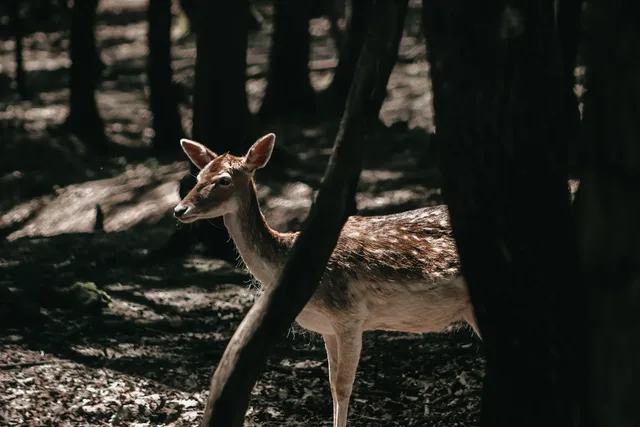
A researcher marks a location on a map, noting that the dense undergrowth makes certain areas nearly impassable. A Turkey nature adventure is subject to environmental variables that can limit visibility.
Success is not guaranteed, as animal movement is dictated by weather, predator presence, and human activity.
One specific limitation is that sightings are highly dependent on the specific seasonal conditions of the region, such as the summer period mentioned by the Game Commission of the Commonwealth of Pennsylvania.
- How to observe Turkey wildlife exploration?
- Where can I find a nature expedition in Turkey?
- What will I experience on a Turkey wildlife tour?
This part also covers Turkey animal habitats.
Related
How does weather impact the thrill of discovery?
Weather conditions directly influence the visibility and movement of birds during an outing. A sudden change in temperature or wind can alter how birds interact with their environment, potentially making them more difficult to locate.
Observers should note that heavy humidity or shifting winds can affect the ease of watching animals in their natural settings. Comparing the visibility in dense summer foliage to the clearer views in late autumn helps in planning the timing of an expedition.
What precautions should be taken during an expedition?
Precautions involve maintaining distance and minimizing noise to avoid disturbing the natural rhythms of the birds. Following these steps ensures that the observer does not cause the animals to flee their habitat.
- Avoid blocking natural pathways that animals use for movement. 2. Stay low to the ground to remain less visible near wooded edges. 3. Monitor the time of day to align with peak activity periods.


Comments 0